
If We’re Not Starting in Kindergarten, We’re Starting Too Late
If We’re Not Starting in Kindergarten, We’re Starting Too Late
I was recently on a college campus talking with a professor of entrepreneurship when I asked him a simple question: What age do you think is the right age to start teaching the entrepreneurial mindset?
He immediately grabbed my arm and said, “Stephen, if we’re not starting in kindergarten, we’re starting too late.”
I wholeheartedly agree.
One of my favorite definitions of an entrepreneur comes from Jordan Raynor’s Called to Create, where he describes an entrepreneur as someone who takes a risk to create something new for the good of others. When we view entrepreneurship through that lens, it becomes much easier to see why this work belongs at every grade level.
That brings me to several kindergarten teachers at one of my absolute favorite schools in Houston, Texas.
These teachers attended our three-day summer training and completed the process of becoming certified in teaching the entrepreneurial mindset. When they returned to school, they began thinking through an important question: How do we take concepts like grit, risk-taking, and opportunity seeking and make them meaningful for five-year-olds?
What they came up with is both simple and brilliant.
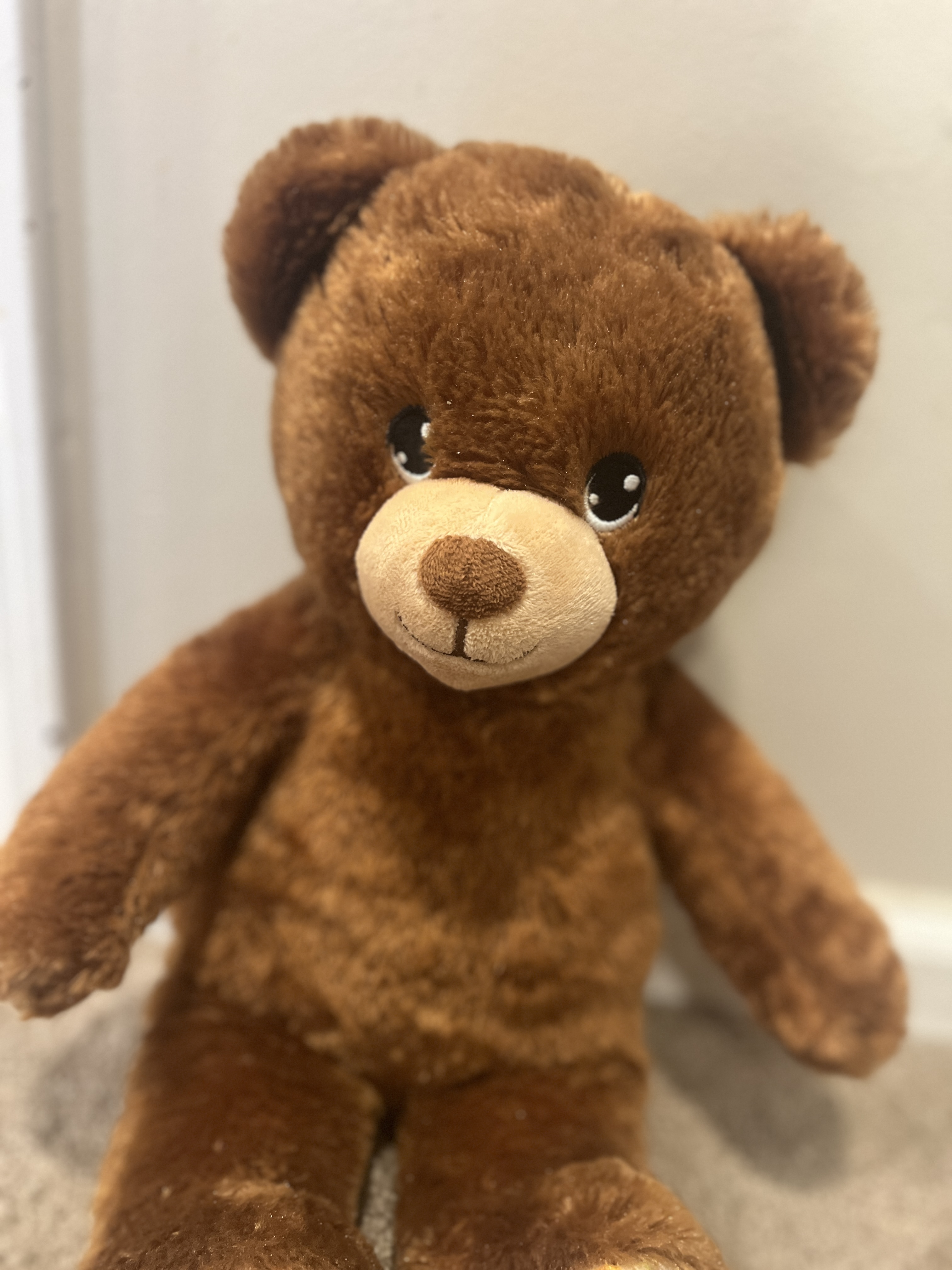
Each kindergarten classroom will have a stuffed-animal “classroom pet” that represents a different component of the entrepreneurial mindset. One classroom will have Gritty the Grizzly Bear, representing grit. Another will have Rita the Risk-Taking Cheetah, representing the willingness to take healthy risks. And the third will have Ollie the Opportunity-Seeking Otter, helping students learn to recognize possibilities and see problems differently.
Throughout the year, teachers will use children’s books and classroom conversations to reinforce these ideas in age-appropriate ways. But the piece I especially love is what happens when those animals leave the classroom.
Each week, one student will take the classroom pet home for the weekend. That student will then be challenged to do something connected to the mindset represented by the animal. A student taking Gritty home might attempt something difficult and stick with it even when it becomes frustrating. A student with Rita might try something new that requires a little courage. A student bringing Ollie home might identify a problem or opportunity and figure out a way to respond to it. Then, when the student returns to school on Monday, they come prepared to share the story with the class.
There is a lot happening inside such a simple activity.
First, it reinforces a principle I come back to constantly: what you measure moves. If we tell students that grit matters but never ask them to practice it, recognize it, or reflect on it, the idea can remain abstract. But when a kindergartener knows that Gritty the Grizzly Bear is coming home this weekend and that they will need a story to share on Monday, suddenly they are paying attention to moments when they can persevere. The mindset becomes something they actively practice rather than simply something a teacher talks about.
The second piece may be even more important: it brings parents into the process.
Instead of the school sending parents another explanation of why grit or healthy risk-taking matters, a five-year-old arrives home carrying a stuffed bear and saying, “I need to do something gritty this weekend.” Now the parent becomes part of the experience. They help their child recognize an opportunity to persevere, take a risk, or solve a problem, and suddenly entrepreneurial mindset education has moved beyond the classroom and into the family.
That is exactly what this work should look like.
Entrepreneurial mindset education does not begin when students develop their first business plan. It begins when a young child learns that struggling with something difficult does not mean it is time to quit. It begins when students discover that making a mistake is not something to fear, that trying something new is worth the risk, and that problems can often be viewed as opportunities waiting for someone to act.
And sometimes, it starts with nothing more complicated than a stuffed bear named Gritty.
Interested in helping your school build the entrepreneurial mindset across grade levels? Reach out to learn how Seed Tree Group can help create a K–12 approach that develops students who take risks, solve problems, create value, and see opportunity wherever they go.