
Are We Teaching Students How to Talk to Strangers?
Are We Teaching Students How to Talk to Strangers?
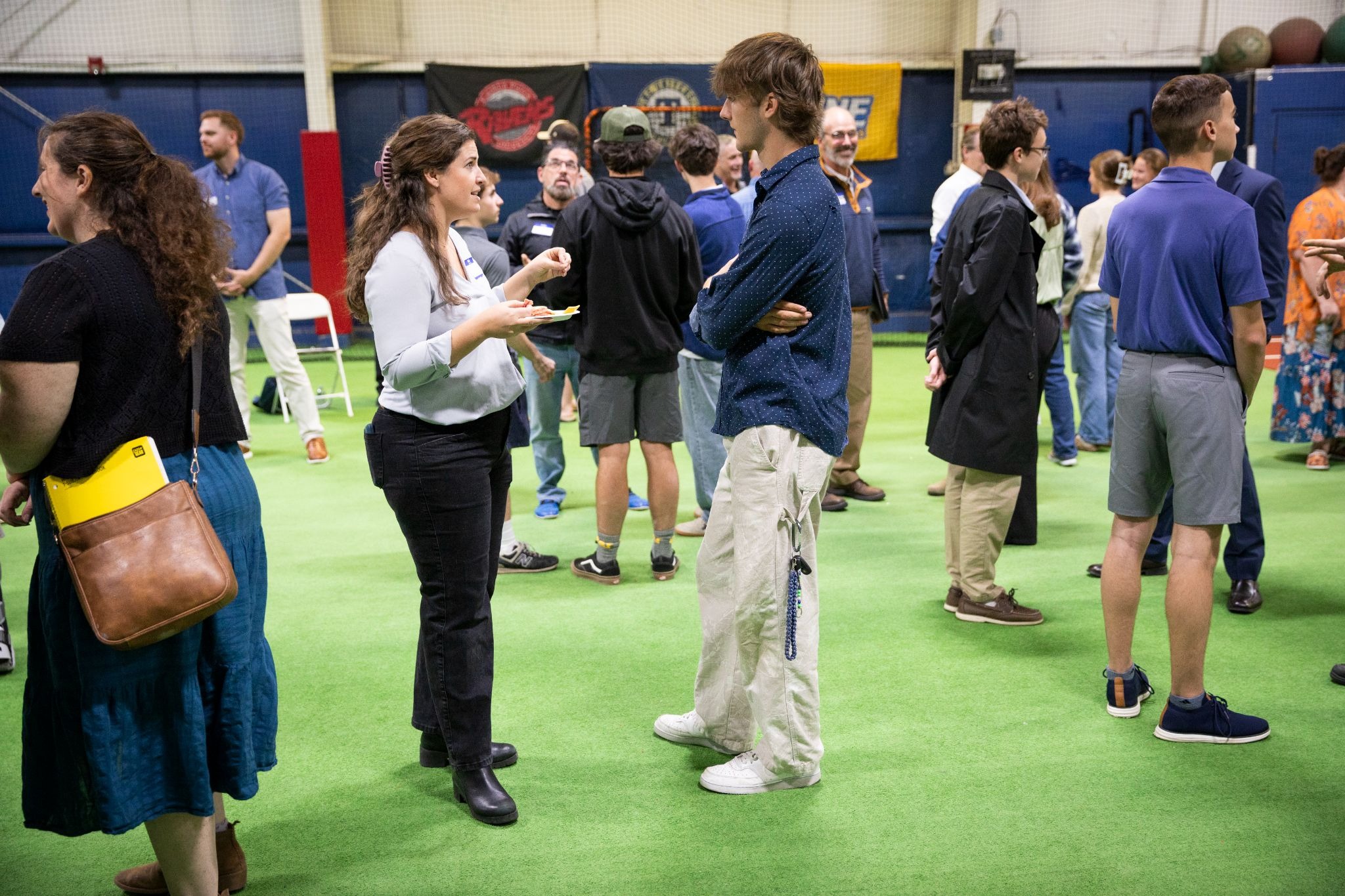
Last week, students at a school in New Hampshire had the opportunity to do something that sounds relatively simple, but for many students can be downright intimidating: walk up to a stranger, introduce themselves, and carry on a conversation.
The strangers, in this case, were entrepreneurs and business owners from a variety of career fields who volunteered their time to share their experiences, challenges, and lessons learned along the way. The students were tasked with introducing themselves, asking meaningful questions, listening carefully, and engaging in authentic conversations.
For some, this was no small task.
One student openly acknowledged that simply getting up and introducing themselves to someone was a challenge. Another reflected afterward that the experience helped them recognize the importance of not being afraid to take advice.
Think about that for a moment: the courage to introduce yourself to someone you don't know.
That’s a powerful skill and one that doesn’t necessarily develop by sitting behind a desk.
The students at Jesse Remington High School are part of the Seed Tree entrepreneurship program, now operating in close to 60 K–12 schools nationwide. And this time of year, many of these schools are hosting what we call a Networking Mixer.
The concept is simple: give students more shots on goal.
We put students in an environment where they have to communicate in real time with people outside their immediate friend groups. No hiding behind a screen or relying on the same three friends they've known since elementary school. Just the opportunity, and the challenge, of making a meaningful connection with another human being.
But we don't simply throw students into the deep end and hope they learn to swim. We prepare them.
Students learn how to ask interesting questions and, perhaps just as importantly, how to provide interesting answers. We emphasize a two-fold principle: be interested and be interesting.
Be interested enough in someone else to ask thoughtful questions and genuinely listen to their answers. And be interesting enough to have something meaningful to contribute to the conversation.
We teach students how to shake hands, make eye contact, and introduce themselves with confidence. And yes, we actually practice these things.
In one lesson, students stand facing each other in something resembling an old-fashioned square dance. They rotate from person to person, shaking hands, making eye contact, introducing themselves, and practicing again. And again. And again.
It might seem a little silly. It might even feel uncomfortable, which is good because growth rarely happens when we're comfortable.
And then, after all that preparation, we create the opportunity for students to put those skills to work. We bring in adults—entrepreneurs, business leaders, and professionals—who are willing to let students practice with them, share their experiences, and offer advice.
What happens next is one of my favorite parts of the first semester of the Seed Tree program: students walk out of these mixers about three inches taller than when they walked in. The confidence they gain from successfully navigating conversations with adults is remarkable. They discover that they can do something they previously feared, and that realization extends well beyond the networking mixer itself.
Reach out to connect.